China Import to Make-in-India: A BIS CRS Compliance Strategy for an Induction Stove
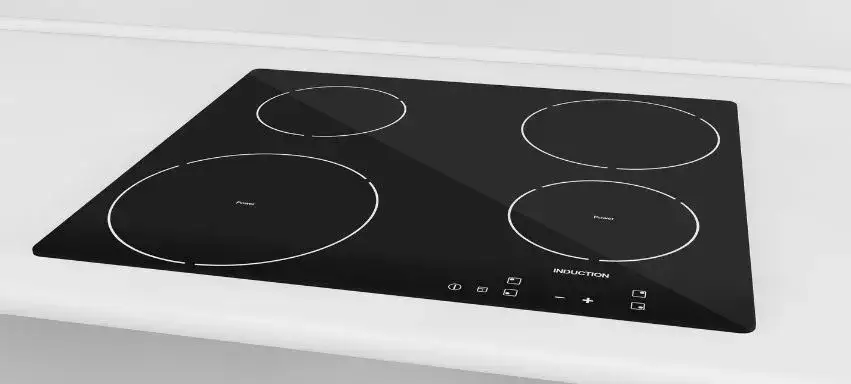
A manufacturer planning to launch an induction stove in the Indian market initially considered importing the complete finished product from a Chinese OEM. During the product-development and compliance assessment, the manufacturer needed to understand the applicable BIS CRS requirements and, more importantly, how those requirements should influence its sourcing and manufacturing strategy.
The business therefore needed more than a routine certification service. It needed a practical answer to a set of connected questions: Which components could continue to be sourced from China? Which components could be sourced more efficiently in India? Which components required closer attention from a compliance perspective? And how could the final product be assembled in India while maintaining quality, cost competitiveness and a clear path toward BIS CRS registration?
This turned the assignment from a simple certification requirement into a complete product compliance and sourcing strategy.
Understanding the Product Before Choosing the Compliance Route
Instacertify first evaluated the proposed induction stove as a complete product rather than treating BIS certification as a paperwork exercise. The team reviewed the proposed product structure, component mix, manufacturing model and intended Indian market requirements to identify potential compliance issues at the design stage.
The Instacertify Solution
1. Product Compliance Assessment
The team mapped the induction stove against the applicable Indian standard and identified the major product-level and component-level considerations that could affect testing and BIS CRS registration.
2. China + India Sourcing Strategy
Rather than assuming that the finished appliance had to be entirely imported, Instacertify helped assess the product component-by-component and identify where selected OEM components could continue to be sourced from China while suitable components could be procured domestically.
3. Compliance-Sensitive Component Planning
The manufacturer was guided to consider Indian conformity requirements when selecting electrical and connection components, so that compliance was built into procurement rather than discovered after product development.
4. Indian Assembly Model
The sourcing plan was converted into a practical manufacturing model in which selected imported components could be combined with suitable India-sourced components and assembled at the manufacturer's Indian facility.
5. BIS CRS Certification Planning
Testing, documentation and manufacturing controls were planned together with the intended BIS CRS pathway so that the product configuration and the certification strategy remained aligned.
A Practical China + India Component Sourcing Model
The key insight was that the most practical compliance strategy did not necessarily require choosing between fully importing the product and fully localizing every component. Instacertify helped the manufacturer develop a hybrid model based on the technical and regulatory suitability of individual components.
- Selected OEM-developed components could continue to be sourced from China where technically and commercially appropriate.
- Suitable locally available components could be sourced from Indian suppliers.
- The final appliance could be assembled at the Indian manufacturing facility.
- The finished product could then be evaluated against the applicable requirements of IS 302-2-6:2009 and the BIS CRS process.
Designing the Product Around Indian Compliance
A major benefit of the engagement was that compliance was considered during product development rather than after the product was already finalized. The manufacturer could make component and sourcing decisions with the finished product's conformity in mind.
- Instead of asking only: “Where can we buy this component at the lowest price?”
- the manufacturer could ask: “Where can we source this component while maintaining the compliance and commercial viability of the finished product?”
BIS CRS Compliance for Induction Stove
The induction stove was planned around the applicable product standard, IS 302-2-6:2009, and the requirements applicable under the BIS Compulsory Registration Scheme. Instacertify coordinated the certification strategy with the actual product configuration, component sourcing and Indian manufacturing arrangements.
The Result
The project evolved from a straightforward finished-product import proposal into a structured Indian manufacturing and compliance strategy. The manufacturer was able to plan a model in which selected components could be sourced from China, suitable components could be sourced in India, and the final induction stove could be assembled in India with the BIS CRS pathway considered from the outset.
- Greater clarity on the applicable BIS compliance pathway for the induction stove
- A component-by-component sourcing strategy instead of an all-or-nothing import model
- Better integration between product development, procurement and compliance
- A practical route toward Indian assembly and Make-in-India production
- Reduced risk of discovering important compliance constraints late in the product-development cycle
- A more structured basis for testing and BIS CRS registration
What Instacertify Added Beyond Certification
The most important contribution was not simply helping with the BIS application. Instacertify helped the manufacturer understand the relationship between product design, component selection, sourcing, Indian assembly, testing and BIS CRS registration.
PRODUCT DESIGN → COMPONENTS → SOURCING → INDIAN ASSEMBLY → TESTING → BIS CRS
This approach helped the manufacturer make important compliance decisions before production and market launch rather than discovering them later through failed testing, re-sourcing or certification delays.
From Importing a Product to Building a Compliant Indian Product
The project demonstrates why product compliance should be considered during product development itself. The manufacturer already understood how to develop its appliance commercially. What it needed was a clear understanding of how Indian compliance requirements should influence sourcing, component selection and manufacturing.
Instacertify helped bridge that gap by combining product compliance understanding with sourcing and BIS certification planning.
The Instacertify Approach
Certification should not begin with paperwork. It should begin with the product.
Instacertify helps manufacturers evaluate the applicable Indian standard, understand component-level compliance considerations, plan testing, structure sourcing and prepare a practical pathway for BIS certification.