
Indian Compliance
BIS Certification for Toys in India: Complete Guide for STEM, Wooden & Learning Toys (Cost, MSME & E-Commerce)
BIS Certification for Toys is mandatory in India to ensure child safety and regulate the toy manufacturing ecosystem. Whether you manufacture STEM toys, wooden toys, learning toys, or electric toys, BIS compliance is compulsory before selling your products in India — including on Amazon, Flipkart, and other e-commerce platforms. This blog explains:
- BIS certification requirements for toys
- Applicable standards (IS 9873 Part 1 & IS 15644)
- Detailed MSME-wise cost structure
- Certification for STEM, wooden & learning toys
- E-commerce compliance (Amazon & Flipkart)
- Practical FAQs for manufacturers and assemblers
What Is BIS Certification for Toys?
BIS Certification for Toys is a mandatory conformity assessment issued by the Bureau of Indian Standards (BIS). It certifies that toys comply with prescribed mechanical, physical, chemical, and electrical safety standards and are safe for children. Toys without BIS certification cannot be manufactured, sold, imported, or distributed in India. 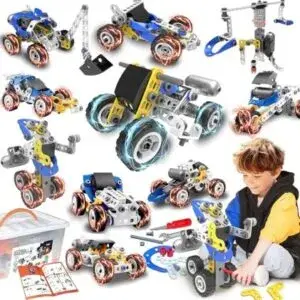
BIS Standards Applicable to Toys in India
IS 9873 (Part 1): Safety of Toys – Mechanical & Physical Properties IS 9873 Part 1 applies to non-electric toys and covers safety aspects related to:
- Mechanical strength
- Physical properties
- Sharp edges and points
- Small parts and choking hazards
This standard applies to:
- Wooden toys
- STEM toys (non-electric)
- Learning and educational toys
- Plastic toys, puzzles, board games
IS 15644: Safety of Electric Toys
IS 15644 applies to electric and battery-operated toys, including:
- Electronic learning toys
- Electric STEM kits
- Remote-controlled toys
It focuses on:
- Electrical insulation
- Overheating protection
- Short-circuit and battery safety
BIS Certification for STEM Toys
- Non-electric STEM toys → Covered under IS 9873 Part 1
- Electric / electronic STEM toys → Covered under IS 15644
BIS certification depends on functionality, not the marketing term “STEM”.
BIS Certification for Wooden Toys
Wooden toys without electrical components are covered under:
- IS 9873 Part 1
This includes:
- Montessori toys
- Wooden puzzles
- Traditional wooden learning toys
Wooden toys must also comply with mechanical strength and surface safety requirements.
BIS Certification for Learning & Educational Toys
Learning toys such as:
- Alphabet and number toys
- Activity boards
- Educational kits
Are covered under:
- IS 9873 Part 1 (non-electric)
- IS 15644 (if electric or battery-operated)
BIS Certification Cost Structure (MSME-Wise)
BIS Charges – IS 9873 Part 1 (Non-Electric Toys)
| Manufacturing Unit | BIS Charges (INR) |
| Large | ₹98,000 |
| Medium | ₹79,000 |
| Small | ₹49,000 |
| Micro | ₹19,600 |
BIS Charges – IS 15644 (Electric Toys)
| Manufacturing Unit | BIS Charges (INR) |
| Large | ₹1,46,000 |
| Medium | ₹1,17,000 |
| Small | ₹73,000 |
| Micro | ₹29,200 |
Additional Mandatory Charges (Electric & Non-Electric)
| Particular | Charges |
| Application Fee | ₹1,000 |
| License Fee | ₹1,000 |
| Audit / Inspection Charges | ₹7,000 |
GST is applicable on all BIS charges, including license and audit fees.
Testing Charges for BIS Certification
Toy testing must be conducted at BIS-recognized laboratories.
- Testing cost range: ₹12,000 – ₹25,000+
- Depends on toy type, material, and test parameters
Consultant Charges for BIS Certification (Domestic)
Professional consultant charges typically range between: ₹40,000 – ₹60,000 INR + GST Hiring a consultant helps in:
- Faster approval with pre defined process implementation
- Avoiding rejections
- Documentation & Quality Assurance Plan preparation
- Audit and inspection support
Especially recommended for MSME and first-time manufacturers.
Who Can Apply for BIS Certification?
Only manufacturers can obtain BIS certification However:
- Assemblers are also eligible
- If you assemble components into a final toy product and control quality, you can obtain BIS certification in your own name
Do MSME Manufacturers Need an In-House Testing Lab?
No.
- MSMEs are eligible for exemption from setting up an in-house lab
- Testing can be conducted as per the Quality Assurance Plan
- Samples can be tested at BIS-recognized external labs
This significantly reduces capital investment for small and micro units.
BIS Certification for Export-Only Toys
BIS certification is NOT required if:
- Toys are manufactured only for export
- Toys are not sold in the Indian market
Selling Toys on Amazon & Flipkart: Is BIS Certification Required?
Yes. BIS certification is mandatory. If you want to sell toys on Amazon, Flipkart, or any other e-commerce platform, your toys must be BIS certified. E-commerce platforms strictly enforce BIS compliance and may:
- Reject listings
- Delist products
- Suspend seller accounts
Can I Get BIS Certification in My Own Name for E-Commerce?
Yes. If you are:
- Manufacturing toys, or
- Assembling toys into a final product
You can obtain BIS certification in your own name, even if you sell only on Amazon or Flipkart.
Can I Use Someone Else’s BIS License?
No.
- BIS licenses are factory-specific
- Cannot be shared, rented, or transferred
- Manufacturer name on the BIS license must match the product listing
Can I Use CE Marking After Getting BIS?
No. You can apply CE marking only if:
- Your toy complies with CE requirements
- Testing is done as per EN 71 standards
BIS certification does not authorize CE marking.
Frequently asked questions
Is BIS certification mandatory for all toys sold in India?
Yes, under the Toys (Quality Control) Order 2020, BIS certification is mandatory for all toys intended for children under 14. Whether domestic or imported, all toys must carry the ISI mark to be legally sold.
What standards must toys comply with for certification?
Non-electric toys must conform to the IS 9873 series, which covers mechanical, physical, flammability, and chemical safety. Electric toys must comply with IS 15644, which focuses on electrical, thermal, and mechanical safety requirements.
Who is eligible to apply for a BIS license?
Only the actual manufacturer of the toys can apply for a BIS license. Importers, traders, or distributors cannot apply directly; they must ensure their foreign manufacturers obtain the necessary BIS certification for their products.
What is the process for obtaining BIS certification?
The process includes document preparation, filing an application with BIS, a factory audit by BIS officials, and independent testing of toy samples in a BIS-recognized laboratory. Once standards are met, the license is granted.
How much does the BIS certification cost?
Costs typically range from ₹25,000 to over ₹2,50,000, depending on the product type, factory size, and testing requirements. Expenses include application fees, annual license fees, factory inspection charges, and laboratory testing costs.
Can I sell toys on e-commerce platforms without an ISI mark?
No. E-commerce platforms in India are strictly prohibited from listing or selling toys that lack the valid ISI mark. Non-compliant listings are subject to removal, and sellers may face heavy fines and potential legal action.
How long does the certification process usually take?
The entire process, from document preparation to receiving the license, typically takes between 30 to 60 working days, though it can extend up to several months depending on documentation readiness and testing complexity.
Are there special provisions for MSMEs in the toy industry?
Yes, MSMEs are eligible for reduced application and inspection fees compared to large-scale manufacturers. These incentives are designed to encourage smaller businesses to achieve compliance and support the formalization of the domestic toy market.