Plastics & Polymers
CPCB’s Latest Directive: EPR Compliance Required for Plastic Producers
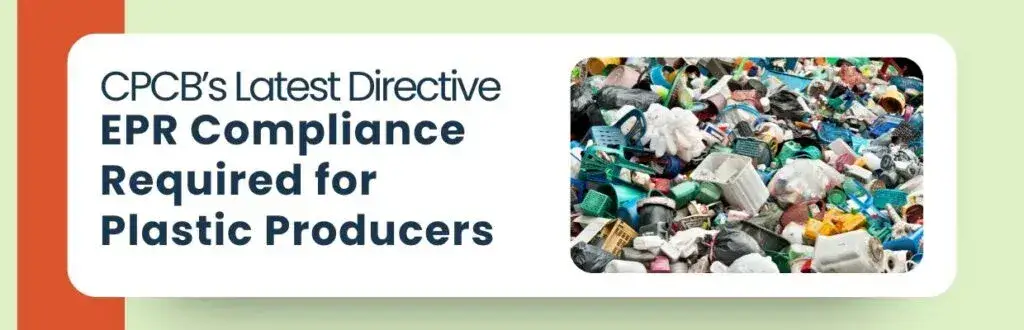
The Central Pollution Control Board (CPCB) has released a strict order requiring all plastic raw material manufacturers across India to register on the Extended Producer Responsibility (EPR) Portal. This action aims to tighten compliance under India’s Plastic Waste Management (PWM) Rules and bring greater accountability to the plastics value chain. This move ensures that every plastic producer, importer, or raw material supplier plays a defined role in reducing environmental pollution and managing plastic waste responsibly.
Why the Directive Was Issued
The CPCB noted that several plastic resin and raw material manufacturers had not registered on the EPR portal — a mandatory requirement under the Plastic Waste Management Rules, 2016, and its subsequent amendments. To address this gap, the board has directed all such manufacturers to complete their registration within 15 days of the notice. The circular also emphasizes that non-compliance could lead to enforcement actions under the Environment (Protection) Act, 1986.Key Points from the CPCB Directive
- All producers and importers of plastic raw materials must register on the EPR portal.
- The registration number must be printed on all invoices related to the sale of plastic raw materials.
- Companies failing to comply may face legal action and potential suspension of their operations.
- The order applies nationwide and is being monitored closely by State Pollution Control Boards (SPCBs).
What Manufacturers Need to Do
Step 1: Visit the EPR Portal
- Go to the CPCB’s official EPR portal and select the manufacturer or importer registration option.
Step 2: Prepare Your Documents
- Keep business registration certificates, GST details, product information, and production capacity data ready.
Step 3: Submit the Online Form
- Fill in all required details and upload the necessary documents for review.
Step 4: Obtain the Registration Number
- Once approved, use this number on every invoice issued for raw material sales.
Step 5: Maintain Ongoing Compliance
- Ensure regular updates on the EPR portal and adhere to CPCB guidelines for sustainable plastic waste management.
Why This Directive Matters
This isn’t just another bureaucratic requirement — it’s a major step toward responsible plastic manufacturing in India. Here’s why it matters:- Accountability: Ensures traceability from raw material production to plastic waste management.
- Environmental Protection: Reduces unmanaged plastic pollution by enforcing producer responsibility.
- Legal Safety: Protects manufacturers from penalties or shutdowns under environmental laws.
- Market Credibility: Demonstrates compliance and commitment to sustainable practices, which boosts brand reputation.