BIS Audit for Plywood for General Purposes (IS 303:1989) Completed in Malaysia
With the strict enforcement of the Bureau of Indian Standards (BIS) Quality Control Orders (QCO) for engineered wood, the pathway to the Indian market has fundamentally changed. Plywood for general purposes can no longer be sold, manufactured, or imported without a valid ISI mark.
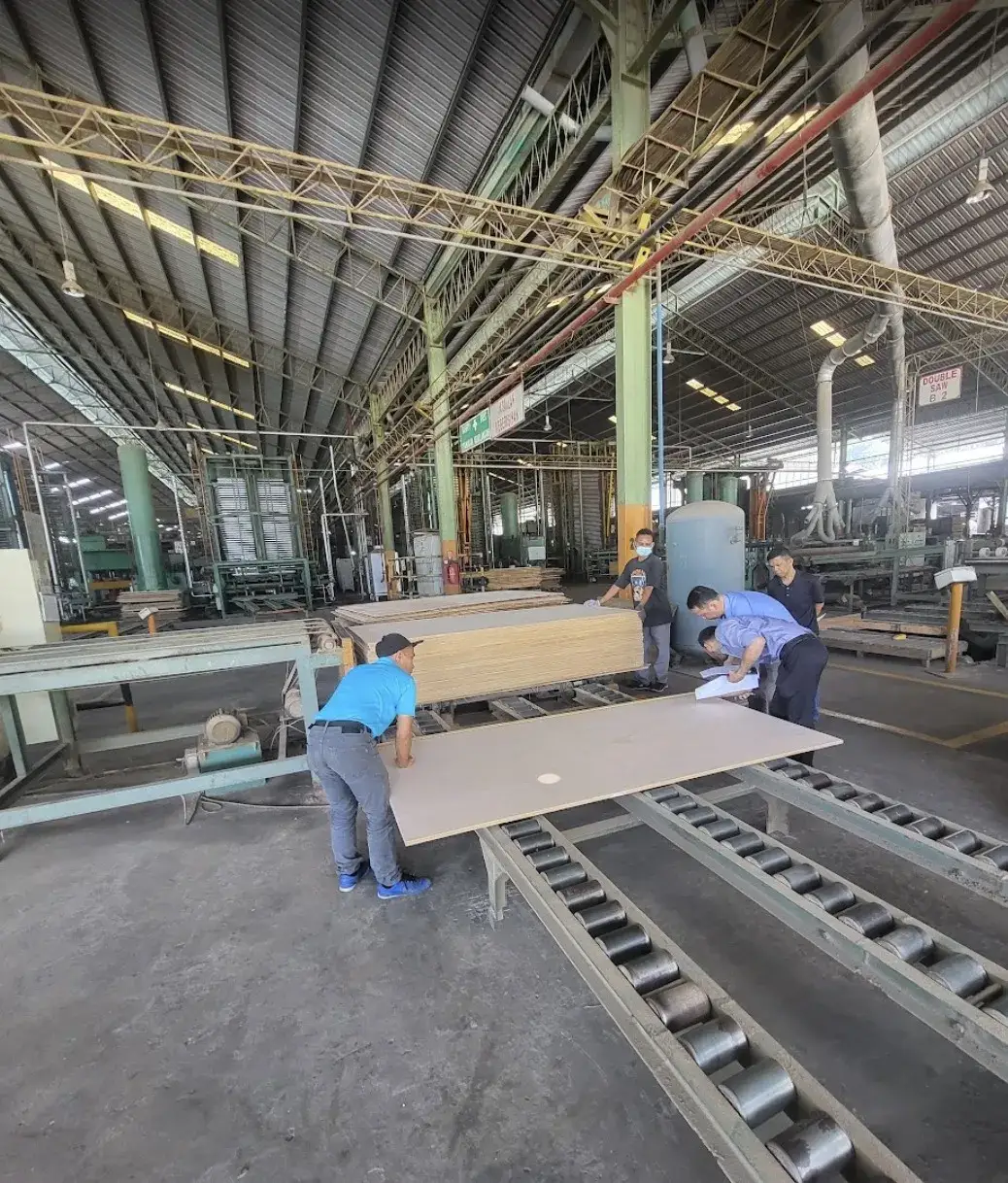
Recently, Instacertify took on the challenge of ensuring seamless market continuity for a major engineered wood manufacturer by executing a complex, simultaneous BIS audit across two distinct manufacturing hubs: India and Malaysia.
Here is an inside look at how our expert auditors ensured absolute compliance with IS 303:1989.
Challenge: Cross-Border Certification
Obtaining BIS certification is a rigorous process, but it becomes uniquely complex when production is split across domestic and international borders.
- The Domestic Front (India): Required adherence to standard BIS Scheme I guidelines for domestic manufacturers, ensuring local supply chains remained undisrupted.
- The International Front (Malaysia): Required auditing under the Foreign Manufacturers Certification Scheme (FMCS). Imported timber products face intense scrutiny at Indian customs, meaning the Malaysian facility had to prove its manufacturing and testing capabilities matched Indian domestic standards perfectly.
Our objective was clear: synchronize the quality control systems of both plants and guide them through a flawless BIS inspection.
Inside the Audit: Testing to the Core of IS 303:1989
Our on-ground teams in both countries conducted exhaustive, multi-day assessments of the manufacturing facilities. We didn't just look at the paperwork; we traced the product from raw timber to the final pressed board.
The core of the IS 303:1989 standard dictates that Plywood for General Purposes (both Moisture Resistant and Boiling Water Resistant grades) must exhibit exceptional structural integrity. During the audit, the Instacertify team closely evaluated:
- Raw Material Traceability: Ensuring the timber veneers and synthetic resin adhesives met prerequisite chemical and physical standards.
- In-House Laboratory Capabilities: We rigorously verified the calibration and operational accuracy of the testing equipment used at both plants.
- Live Sample Testing: Our experts supervised the mandatory batch testing, including:
- Static Bending Strength: Measuring the exact load-bearing limits.
- Water Resistance & Glue Adhesion: Subjecting samples to cyclic boiling and drying to test veneer bond strength.
- Dimensional Tolerances: Ensuring strict adherence to specified thickness and squareness metrics.
Impact: What This Means for the Market
The successful conclusion of these dual audits yielded immediate, high-value results.
For the Malaysian facility, clearing the FMCS audit means their plywood shipments will benefit from frictionless customs clearance at Indian ports, free from the risk of regulatory detainment. For the Indian facility, it guarantees uninterrupted nationwide distribution, allowing them to legally command market share in a landscape where uncertified competitors are being penalized.
Most importantly, the ISI mark serves as a powerful trust signal to architects, builders, and interior designers that the plywood they are sourcing is safe, durable, and legally compliant.
Secure Your Market Position with Instacertify
The engineered wood industry is under tighter regulatory scrutiny than ever before. Whether your manufacturing lines are based in Gujarat, Kuala Lumpur, or anywhere else in the world, compliance is your ticket to the Indian market.
Instacertify specializes in turning complex regulatory red tape into a streamlined, predictable process. From pre-audit gap analysis to final ISI mark stamping, we are your boots-on-the-ground partners in global compliance.
Don't let your supply chain stall at customs. Contact Instacertify today to schedule your IS 303 compliance consultation.
Why this format works better for your site:
- Storytelling: It positions Instacertify as the "hero" solving a complex problem (cross-border audits).
- Originality: Search engines (and human readers) favor original narratives over standard, bullet-point service pages that look identical to competitors.
- Authority: Mentioning specific tests like "cyclic boiling" and "FMCS" shows deep technical knowledge rather than just listing standard names.