
Mandatory BIS Standard
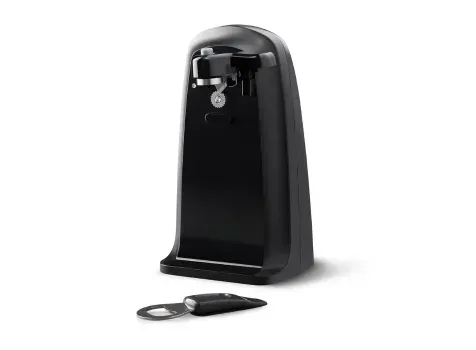
BIS ISI Mark for Electric Can Openers IS 302 Part 1
- Minimum marking fee per year
- ₹31,000 – ₹1,55,000
- Micro to large firms
- Testing cost
- ₹15,000 – ₹2,75,000
- Based on 58 lab prices
- HSN code
- 8516
- Check the code with customs
Ensure the safety and reliability of your kitchen appliances with mandatory BIS ISI Mark Certification. In India, this product is covered in BIS Certification scheme as per IS 302 part 1, which dictates the stringent safety requirements for household electrical devices. Securing this essential certification is a legal requirement for manufacturers and importers, proving your electric can openers meet rigorous Indian quality standards and protect consumers from electrical hazards. Without the ISI mark, selling these items in the Indian market is strictly prohibited. Streamline your compliance process to confidently launch your products, ensuring complete regulatory adherence and building lasting consumer trust.
Applicable Indian Standards for BIS ISI Mark for Electric Can Openers IS 302 Part 1
| IS number | Product | Testing cost |
|---|---|---|
| IS 302 (Part 1) : 2024 IEC 60335-1:2020 | Electric Can Openers | ₹15,000 – ₹2,75,00058 labs |
- Legal order: Household & Similar Electrical Appliances QCO (DPIIT), IS 302 (Part 1):2024 / IEC 60335-1:2020; enforcement due 01-10-2026
Minimum marking fee by firm size
You pay BIS a minimum marking fee every year. Micro, small and medium firms (with Udyam registration) pay less. BIS also works out a fee from the unit rate and your production. You pay whichever amount is higher.
- Large firms
- ₹1,55,000
- Medium firms
- ₹1,24,000
- Small firms
- ₹77,500
- Micro firms
- ₹31,000
Unit rate: ₹2 per piece
- Other BIS charges
- ₹9,000 for every ISI mark product: application charge ₹1,000 · licence fee ₹1,000 · audit charges ₹7,000
- Foreign manufacturers
- Get a detailed quote
- Our consulting fee
- Best-value quote – let’s talk
All prices are a guide only and do not include GST. Rules and dates can change, so check the latest notice before you apply. Ask us for an up-to-date quote.
Common questions
Is BIS certification mandatory for electric can openers in India?
Yes, BIS certification is mandatory for manufacturing and selling these appliances in India. It ensures the product meets safety guidelines, protecting consumers from electrical hazards while complying with strict government regulations for household appliances.
Which specific Indian Standard applies to electric can openers?
Electric can openers are strictly covered in the BIS Certification scheme as per IS 302 Part 1. This standard outlines the general and fundamental safety requirements specifically required for all electrical household appliances.
What is the main benefit of the ISI mark for this appliance?
The ISI mark builds massive consumer trust by proving your appliance is tested and completely safe to use. It enhances brand reputation, ensures legal market entry, and prevents penalties associated with selling non-compliant electronic goods.
Can importers sell electric can openers without BIS certification?
No, neither domestic manufacturers nor foreign importers can sell these devices without valid BIS certification. The product will face immediate customs rejection and severe legal penalties if it enters the Indian market without the ISI mark.
What do EMI and EMC mean for electrical appliance certification?
EMI refers to the electromagnetic emissions a device generates, while EMC is its ability to operate without interference. BIS mandates these tests to ensure your electric can opener won't disrupt or be disrupted by nearby appliances.
Does IS 302 Part 1 include EMI and EMC testing?
While IS 302 Part 1 focuses on electrical safety, concurrent EMI/EMC testing is often required under relevant CISPR or IS standards. This guarantees the appliance functions safely without causing radio frequency disturbances in household environments.
How much time does BIS certification take for foreign manufacturers?
Obtaining the BIS Foreign Manufacturers Certification Scheme (FMCS) license typically takes between four to six months. This timeframe depends on application readiness, scheduling the overseas factory audit, product testing duration, and how quickly queries are resolved.
What stages in the FMCS process consume the most time?
The most time-consuming stages are scheduling the overseas factory inspection and conducting independent product testing in India. Depending on lab capacity and specific appliance complexities, sample testing alone can take roughly four to eight weeks.
Related products
- BIS ISI Mark Certification for Air Purifier IS 302 Part 1Mandatory
- BIS ISI Mark for Air Fryer IS 302 Part 1Mandatory
- BIS ISI Mark for Dishwasher IS 302 Part 1Mandatory
- BIS ISI Mark for Electric Bean Slicer IS 302 Part 1Mandatory
- BIS ISI Mark for Electric Boilers IS 302 Part 1Mandatory
- BIS ISI Mark for Electric Coffee Makers IS 302 Part 1Mandatory
- BIS ISI Mark for Electric Egg Beater IS 302 Part 1Mandatory
- BIS ISI Mark for Electric Entrifugal Juicer IS 302 Part 1Mandatory
Not sure which certification you need?
Send us the product name and the countries you sell in. A specialist replies with the standards that apply, the documents to prepare, the lab cost and the timeline. The assessment is free.
- The list of approvals comes to you in writing
- Get Started with the Right Expert
- Testing, certification and registrations handled by one team
Thank you — we've got it.
A certification specialist will contact you within 1 business day, usually much sooner.
Need it faster? WhatsApp us