
Mandatory BIS Standard
BIS ISI Mark for Electric Egg Beater IS 302 Part 1
- Minimum marking fee per year
- ₹31,000 – ₹1,55,000
- Micro to large firms
- Testing cost
- ₹15,000 – ₹2,75,000
- Based on 58 lab prices
- HSN code
- 8516
- Check the code with customs
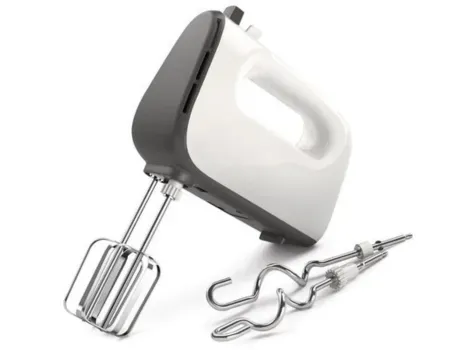
Electric egg beaters are staple kitchen appliances, but ensuring their electrical safety is a top regulatory priority. To guarantee consumer protection, this product is officially covered in the mandatory BIS Certification scheme as per IS 302 Part 1. This means all domestic and foreign manufacturers must successfully obtain the ISI Mark before importing, producing, or selling these devices in the Indian market. Compliance with IS 302 Part 1 ensures the appliance meets stringent safety, performance, and quality benchmarks. Partner with InstaCertify to navigate testing, documentation, and regulatory compliance smoothly, ensuring your products reach the market without delays.
Applicable Indian Standards for BIS ISI Mark for Electric Egg Beater IS 302 Part 1
| IS number | Product | Testing cost |
|---|---|---|
| IS 302 (Part 1) : 2024 IEC 60335-1:2020 | Electric Egg Beater | ₹15,000 – ₹2,75,00058 labs |
- Legal order: Household & Similar Electrical Appliances QCO (DPIIT), IS 302 (Part 1):2024 / IEC 60335-1:2020; enforcement due 01-10-2026
Minimum marking fee by firm size
You pay BIS a minimum marking fee every year. Micro, small and medium firms (with Udyam registration) pay less. BIS also works out a fee from the unit rate and your production. You pay whichever amount is higher.
- Large firms
- ₹1,55,000
- Medium firms
- ₹1,24,000
- Small firms
- ₹77,500
- Micro firms
- ₹31,000
Unit rate: ₹2 per piece
- Other BIS charges
- ₹9,000 for every ISI mark product: application charge ₹1,000 · licence fee ₹1,000 · audit charges ₹7,000
- Foreign manufacturers
- Get a detailed quote
- Our consulting fee
- Best-value quote – let’s talk
All prices are a guide only and do not include GST. Rules and dates can change, so check the latest notice before you apply. Ask us for an up-to-date quote.
Common questions
Is BIS ISI certification mandatory for electric egg beaters in India?
Yes, obtaining the BIS ISI mark is completely mandatory for electric egg beaters in India. Manufacturers cannot legally produce, import, distribute, or sell these kitchen appliances in the Indian market without successfully completing this essential certification process.
Which Indian Standard applies to electric egg beaters?
Electric egg beaters fall under the strict safety testing guidelines of IS 302 Part 1. This specific standard evaluates electrical safety, durability, and overall performance, ensuring the product is completely safe for regular household cooking and baking.
What are the penalties for selling without an ISI mark?
Selling electric egg beaters without the mandatory ISI mark is a serious legal offense. Violators can face severe penalties, including heavy financial fines, immediate confiscation of unauthorized goods, and potential imprisonment for ignoring mandatory Indian safety regulations.
Is EMI/EMC testing mandatory for electric egg beaters under BIS?
Yes, under IS 302 Part 1 guidelines, EMI (Electromagnetic Interference) and EMC (Electromagnetic Compatibility) testing is evaluated. It ensures the egg beater doesn't emit harmful interference and operates safely without disrupting other household electronics.
What exactly does EMI/EMC testing check for these appliances?
It checks both radiated and conducted emissions. It guarantees the electric motor in your egg beater won't disrupt nearby devices like TVs or Wi-Fi routers, and ensures the appliance remains immune to external electrical disturbances.
How much time does it take for a foreign manufacturer to get BIS certification?
Generally, the Foreign Manufacturers Certification Scheme (FMCS) process takes about 4 to 6 months. This timeline depends heavily on complete documentation submission, prompt sample testing at Indian labs, and scheduling the mandatory physical factory audit.
What factors can cause delays in the FMCS certification timeline?
Delays usually happen due to incomplete documentation, customs clearance issues when shipping test samples to India, or scheduling conflicts during the mandatory BIS factory inspection. Ensuring accurate paperwork from day one prevents these common timeline bottlenecks.
Can testing and factory inspection happen simultaneously to save time?
No, these steps follow a structured sequence. Documentation review happens first, followed by scheduling the physical factory inspection. Test samples are typically selected during the audit and shipped to a BIS-recognized lab in India for final safety evaluation.
Related products
- BIS ISI Mark Certification for Air Purifier IS 302 Part 1Mandatory
- BIS ISI Mark for Air Fryer IS 302 Part 1Mandatory
- BIS ISI Mark for Dishwasher IS 302 Part 1Mandatory
- BIS ISI Mark for Electric Bean Slicer IS 302 Part 1Mandatory
- BIS ISI Mark for Electric Boilers IS 302 Part 1Mandatory
- BIS ISI Mark for Electric Can Openers IS 302 Part 1Mandatory
- BIS ISI Mark for Electric Coffee Makers IS 302 Part 1Mandatory
- BIS ISI Mark for Electric Entrifugal Juicer IS 302 Part 1Mandatory
Not sure which certification you need?
Send us the product name and the countries you sell in. A specialist replies with the standards that apply, the documents to prepare, the lab cost and the timeline. The assessment is free.
- The list of approvals comes to you in writing
- Get Started with the Right Expert
- Testing, certification and registrations handled by one team
Thank you — we've got it.
A certification specialist will contact you within 1 business day, usually much sooner.
Need it faster? WhatsApp us