Electronics & Electrical
Do You Know About IS 16102 Part 1? A Complete Guide for LED Lamp Manufacturers
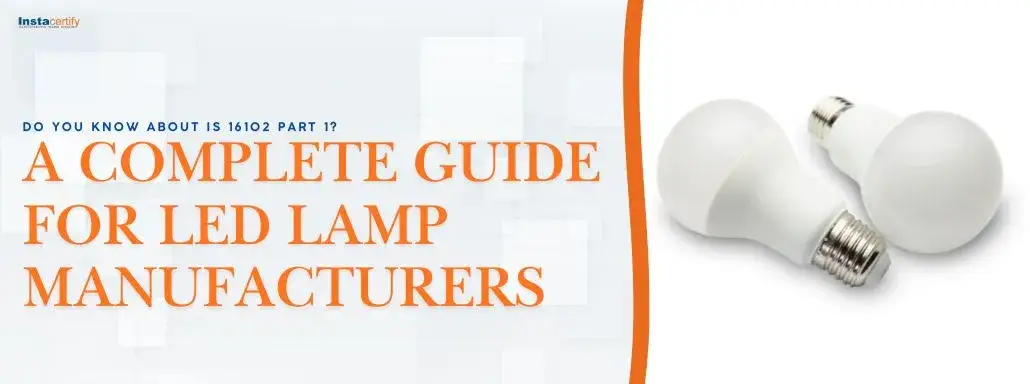
The rapid adoption of LED lighting has transformed the lighting industry across the world. LED lamps are now widely used in homes, offices, factories, and public infrastructure because they offer excellent energy efficiency, longer life, and better lighting performance. However, with the growing demand for LED products, ensuring their safety and reliability has become extremely important.
In India, the safety of LED lamps is regulated through the standard IS 16102 (Part 1), issued by the Bureau of Indian Standards (BIS). If you are a manufacturer, importer, or brand owner dealing with LED lighting products, understanding this standard is essential for compliance and market entry.
This article explains everything you need to know about IS 16102 Part 1, including its scope, requirements, testing parameters, and why it is important for BIS certification in India.
What is IS 16102 Part 1?
IS 16102 (Part 1) is an Indian safety standard that specifies the safety requirements for self-ballasted LED lamps used for general lighting purposes. The standard ensures that LED lamps are designed and manufactured in a way that minimizes risks such as electrical shock, fire hazards, and mechanical failures.
The standard is largely aligned with the international standard IEC 62560, which ensures global consistency in LED safety regulations.
In simple terms, this standard verifies that LED lamps sold in India are safe to use in everyday environments like homes, offices, and commercial spaces.
What Products Are Covered Under IS 16102 Part 1?
IS 16102 Part 1 mainly applies to self-ballasted LED lamps, which means LED lamps that contain integrated control gear or drivers within the lamp body.
Examples include:
- LED bulbs used in residential lighting
- Retrofit LED lamps used in existing fixtures
- Lamps with B22, E27, E14, or similar caps
- General lighting LED lamps with rated voltage up to 250V
These products are commonly used as replacements for traditional incandescent or CFL lamps.
The standard focuses strictly on safety aspects, ensuring that the product does not pose electrical or fire hazards during normal use.
Why IS 16102 Part 1 is Important
The importance of this standard lies in protecting consumers, manufacturers, and the market ecosystem.
1. Consumer Safety
LED lamps are electrical products that operate directly on the power supply. Poorly designed products can lead to overheating, electric shock, or fire hazards. IS 16102 Part 1 ensures that lamps meet strict safety requirements before they reach consumers.
2. Regulatory Compliance
LED lamps fall under the Compulsory Registration Scheme (CRS) of the Bureau of Indian Standards. Manufacturers must test their products according to IS 16102 standards before selling them in India.
3. Market Credibility
Products complying with BIS standards gain greater trust among distributors, retailers, and customers. Certification demonstrates that the product meets recognized safety benchmarks.
4. Protection Against Substandard Products
The standard helps eliminate low-quality imports and unsafe lighting products from the market.
Key Safety Requirements in IS 16102 Part 1
The standard includes several technical requirements and test procedures that LED lamps must pass before certification.
Some of the most important safety parameters include:
Marking and Labeling
Each LED lamp must carry proper markings such as:
- Rated voltage
- Wattage
- Manufacturer details
- Safety warnings if applicable
Clear labeling ensures traceability and transparency.
Protection Against Electric Shock
The design of the lamp must prevent accidental contact with live parts. This requirement protects users during installation or replacement of lamps.
Insulation Resistance and Electric Strength
The insulation system must withstand high voltage stress to ensure electrical safety under normal operating conditions.
Temperature Rise Test
LED lamps must operate within safe temperature limits. Excessive heat may damage internal components and create fire hazards.
Mechanical Strength
The lamp structure must be strong enough to withstand handling, transportation, and installation stresses.
Cap Torque Test
The lamp cap must remain securely attached to prevent detachment during installation or operation.
Resistance to Heat and Fire
Materials used in LED lamps must resist heat and should not easily ignite in case of abnormal operating conditions.
These tests ensure that LED lamps maintain safety throughout their life cycle.
Difference Between IS 16102 Part 1 and Part 2
Many manufacturers often confuse IS 16102 Part 1 with IS 16102 (Part 2).
The difference is straightforward:
IS 16102 Part 1
- Focuses on safety requirements
- Ensures the lamp does not pose electrical or fire hazards
IS 16102 Part 2
- Focuses on performance parameters
- Covers factors such as lumen output, efficacy, life, and color properties
Both standards are generally required for LED lamp certification under the BIS CRS scheme.
Testing Process for IS 16102 Part 1
To obtain compliance with this standard, LED lamps must undergo testing in a BIS-recognized laboratory.
The typical testing process includes:
- Submission of product samples to the laboratory
- Evaluation of safety parameters as per the standard
- Laboratory test report generation
- Submission of the test report for BIS registration
Once approved, manufacturers can legally sell the LED lamps in the Indian market with the BIS registration mark.
Challenges Faced by Manufacturers
While the standard is essential for safety, manufacturers often face challenges such as:
- Understanding the testing requirements
- Coordinating with BIS-approved laboratories
- Preparing technical documentation
- Ensuring product design meets safety criteria
These challenges make it important for companies to seek expert guidance when applying for BIS certification.
Final Thoughts
The Indian lighting industry is evolving rapidly, and LED technology continues to dominate the market. However, ensuring product safety is just as important as improving energy efficiency.
IS 16102 Part 1 plays a crucial role in maintaining safety standards for LED lamps in India. It ensures that lighting products used by millions of consumers are reliable, safe, and compliant with national regulations.
For manufacturers and importers, understanding this standard is not just a regulatory requirement—it is a key step toward building trust and delivering high-quality products in the market.