
Mandatory BIS Standard
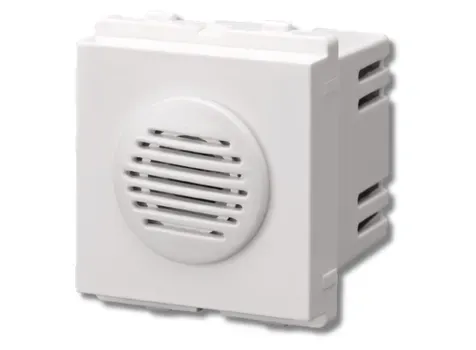
BIS ISI Mark for isi mark for Electric Call Bells IS 302 Part 1
- Minimum marking fee per year
- ₹31,000 – ₹1,55,000
- Micro to large firms
- Testing cost
- ₹15,000 – ₹2,75,000
- Based on 58 lab prices
- HSN code
- 8516
- Check the code with customs
Ensure safety and market access with mandatory BIS ISI Mark Certification for Electric Call Bells and Buzzers for Indoor Use. To protect consumers from electrical hazards, the Bureau of Indian Standards requires these household alerting devices to undergo stringent safety testing. Crucially, this product is covered in the BIS Certification scheme as per IS 302 Part 1. Manufacturers and importers must obtain this certification and display the ISI mark to legally sell their units in the Indian market. Securing this compliance not only avoids regulatory penalties but also builds consumer trust by guaranteeing reliable electrical safety and performance.
Applicable Indian Standards for BIS ISI Mark for isi mark for Electric Call Bells IS 302 Part 1
| IS number | Product | Testing cost |
|---|---|---|
| IS 302 (Part 1) : 2024 IEC 60335-1:2020 | Electric Call Bells and Buzzers for Indoor Use | ₹15,000 – ₹2,75,00058 labs |
- Legal order: Household & Similar Electrical Appliances QCO (DPIIT), IS 302 (Part 1):2024 / IEC 60335-1:2020; enforcement due 01-10-2026
Minimum marking fee by firm size
You pay BIS a minimum marking fee every year. Micro, small and medium firms (with Udyam registration) pay less. BIS also works out a fee from the unit rate and your production. You pay whichever amount is higher.
- Large firms
- ₹1,55,000
- Medium firms
- ₹1,24,000
- Small firms
- ₹77,500
- Micro firms
- ₹31,000
Unit rate: ₹2 per piece
- Other BIS charges
- ₹9,000 for every ISI mark product: application charge ₹1,000 · licence fee ₹1,000 · audit charges ₹7,000
- Foreign manufacturers
- Get a detailed quote
- Our consulting fee
- Best-value quote – let’s talk
All prices are a guide only and do not include GST. Rules and dates can change, so check the latest notice before you apply. Ask us for an up-to-date quote.
Common questions
Is the ISI mark really mandatory for my indoor doorbells and buzzers?
Yes, absolutely! The Indian government mandates that electric call bells and buzzers for indoor use must carry the BIS ISI mark under IS 302 Part 1. Selling uncertified devices is illegal and risks heavy penalties, so compliance is key.
Which specific safety standard applies to these household alerting devices?
Your indoor call bells and buzzers must comply strictly with IS 302 Part 1. This essential standard rigorously tests for electrical shocks, overheating, and insulation failures to guarantee maximum consumer safety and product reliability in Indian homes.
How can I quickly secure this crucial ISI mark for my buzzers?
You must apply through the official BIS portal, submit detailed product documentation, and have your samples rigorously tested at an approved laboratory. Partnering with expert compliance consultants drastically speeds up this entire certification journey for a smoother launch.
Do indoor call bells actually need EMI/EMC testing for BIS certification?
Simple mechanical bells might not, but modern electronic and wireless buzzers definitely do! EMI/EMC testing under IS 302 ensures your smart doorbell won't interfere with your Wi-Fi, TVs, or other home electronics, guaranteeing flawless and safe operation.
If my doorbell is wireless, do I need additional approvals besides BIS?
Yes, absolutely! If your indoor buzzers use radio frequencies or Wi-Fi, you must also secure WPC (Wireless Planning and Coordination) approval. This proves your wireless signals are safe, legal, and won't disrupt India’s critical telecommunication networks.
How long does the BIS certification process actually take for foreign manufacturers?
Securing your ISI mark through the Foreign Manufacturers Certification Scheme (FMCS) generally takes about six to nine months. This timeline heavily depends on rapid documentation submission, successful product testing in India, and scheduling the mandatory overseas factory inspection.
Will Indian authorities actually travel abroad to inspect our manufacturing facility?
They certainly will! A dedicated BIS audit team must personally visit your overseas factory to rigorously evaluate your quality control systems, manufacturing processes, and testing infrastructure. Passing this crucial on-site audit guarantees your products meet India's strict safety standards.
Can we just use our existing international safety test reports for BIS approval?
Unfortunately, no. While international compliance is fantastic, BIS strictly requires that your electric call bells undergo fresh, rigorous testing at a BIS-approved laboratory physically located within India. This ensures your products perfectly match India's unique electrical and environmental conditions.
Related products
- BIS ISI Mark Certification for Air Purifier IS 302 Part 1Mandatory
- BIS ISI Mark for Air Fryer IS 302 Part 1Mandatory
- BIS ISI Mark for Dishwasher IS 302 Part 1Mandatory
- BIS ISI Mark for Electric Bean Slicer IS 302 Part 1Mandatory
- BIS ISI Mark for Electric Boilers IS 302 Part 1Mandatory
- BIS ISI Mark for Electric Can Openers IS 302 Part 1Mandatory
- BIS ISI Mark for Electric Coffee Makers IS 302 Part 1Mandatory
- BIS ISI Mark for Electric Egg Beater IS 302 Part 1Mandatory
Not sure which certification you need?
Send us the product name and the countries you sell in. A specialist replies with the standards that apply, the documents to prepare, the lab cost and the timeline. The assessment is free.
- The list of approvals comes to you in writing
- Get Started with the Right Expert
- Testing, certification and registrations handled by one team
Thank you — we've got it.
A certification specialist will contact you within 1 business day, usually much sooner.
Need it faster? WhatsApp us