
Mandatory BIS Standard
BIS ISI Mark for Robot Vaccum Cleaners IS 302 Part 1
- Minimum marking fee per year
- ₹31,000 – ₹1,55,000
- Micro to large firms
- Testing cost
- ₹15,000 – ₹2,75,000
- Based on 58 lab prices
- HSN code
- 8516
- Check the code with customs
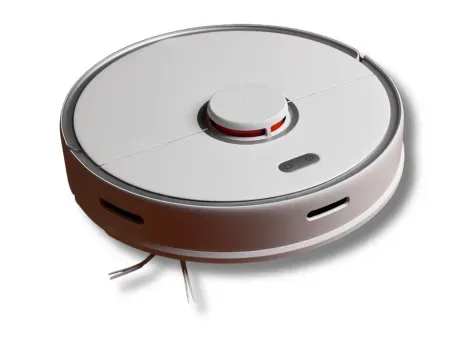
Robot vacuum cleaners are advanced electrical appliances that bring immense convenience to modern households. To ensure consumer safety and product reliability in India, these automated devices are strictly regulated by the Bureau of Indian Standards (BIS).
Specifically, this product is covered in the BIS Certification scheme as per IS 302 Part 1. This mandatory ISI mark certification ensures that robotic vacuums meet stringent electrical safety guidelines, preventing potential household hazards such as short circuits, overheating, or electric shocks. Manufacturers must undergo thorough laboratory testing and factory audits to obtain this certification, guaranteeing the appliance is completely safe for everyday domestic use.
Applicable Indian Standards for BIS ISI Mark for Robot Vaccum Cleaners IS 302 Part 1
| IS number | Product | Testing cost |
|---|---|---|
| IS 302 (Part 1) : 2024 IEC 60335-1:2020 | DC supplied/ battery-operated vacuum cleaners | ₹15,000 – ₹2,75,00058 labs |
- Legal order: Household & Similar Electrical Appliances QCO (DPIIT), IS 302 (Part 1):2024 / IEC 60335-1:2020; enforcement due 01-10-2026
Minimum marking fee by firm size
You pay BIS a minimum marking fee every year. Micro, small and medium firms (with Udyam registration) pay less. BIS also works out a fee from the unit rate and your production. You pay whichever amount is higher.
- Large firms
- ₹1,55,000
- Medium firms
- ₹1,24,000
- Small firms
- ₹77,500
- Micro firms
- ₹31,000
Unit rate: ₹2 per piece
- Other BIS charges
- ₹9,000 for every ISI mark product: application charge ₹1,000 · licence fee ₹1,000 · audit charges ₹7,000
- Foreign manufacturers
- Get a detailed quote
- Our consulting fee
- Best-value quote – let’s talk
All prices are a guide only and do not include GST. Rules and dates can change, so check the latest notice before you apply. Ask us for an up-to-date quote.
Common questions
Is BIS ISI mark certification mandatory for robot vacuum cleaners in India?
Yes, obtaining the BIS ISI mark is mandatory for selling robot vacuum cleaners in the Indian market. The government enforces this regulation to strictly ensure that all household electrical appliances meet required national safety and quality benchmarks.
What specific standard applies to robot vacuum cleaners for BIS certification?
This product is officially covered in the BIS Certification scheme as per IS 302 Part 1. This specific Indian Standard provides the general safety requirements for household and similar electrical appliances, including automated floor cleaning robots.
Why is the ISI mark important for robotic vacuum cleaners?
The ISI mark guarantees that the automated cleaner has passed rigorous laboratory testing. It ensures protection against electrical shocks, prevents fire hazards from overheating batteries, and provides consumers with complete confidence in the appliance's daily operational safety.
How can manufacturers obtain the BIS certificate for these vacuums?
Manufacturers must submit their product samples to a BIS-recognized laboratory for comprehensive testing. Following successful test reports, BIS officials conduct a detailed factory inspection to verify manufacturing capabilities before officially granting the final ISI mark certification license.
What does EMI/EMC testing mean for robot vacuum cleaners?
EMI (Electromagnetic Interference) and EMC (Electromagnetic Compatibility) testing evaluates the robotic vacuum's electronic emissions. It ensures the device doesn't disrupt other home electronics and operates smoothly without being affected by external electromagnetic signals.
Why is EMC compliance critical for these smart appliances?
Robot vacuums use complex navigation sensors, LiDAR, and Wi-Fi modules. Proper EMC compliance guarantees these sensitive components function reliably in your home environment without experiencing sudden navigational failures or causing interference with your wireless network.
How much time does it take for a foreign manufacturer to get BIS certification?
Under the Foreign Manufacturers Certification Scheme (FMCS), obtaining the BIS ISI mark generally takes about four to six months. This extended timeline accounts for international logistics, comprehensive application scrutiny, and scheduling necessary audits at the overseas manufacturing facility.
Can a foreign manufacturer speed up the BIS certification timeline?
While the standard timeline is four to six months, delays often occur due to incomplete documentation or test failures. Manufacturers can avoid extended delays by ensuring complete paperwork, appointing a responsive Authorized Indian Representative, and conducting pre-audit mock inspections.
Related products
- BIS ISI Mark Certification for Air Purifier IS 302 Part 1Mandatory
- BIS ISI Mark for Air Fryer IS 302 Part 1Mandatory
- BIS ISI Mark for Dishwasher IS 302 Part 1Mandatory
- BIS ISI Mark for Electric Bean Slicer IS 302 Part 1Mandatory
- BIS ISI Mark for Electric Boilers IS 302 Part 1Mandatory
- BIS ISI Mark for Electric Can Openers IS 302 Part 1Mandatory
- BIS ISI Mark for Electric Coffee Makers IS 302 Part 1Mandatory
- BIS ISI Mark for Electric Egg Beater IS 302 Part 1Mandatory
Not sure which certification you need?
Send us the product name and the countries you sell in. A specialist replies with the standards that apply, the documents to prepare, the lab cost and the timeline. The assessment is free.
- The list of approvals comes to you in writing
- Get Started with the Right Expert
- Testing, certification and registrations handled by one team
Thank you — we've got it.
A certification specialist will contact you within 1 business day, usually much sooner.
Need it faster? WhatsApp us